 English
 Türkçe
  العربية
  Русский
Filter Press Plate
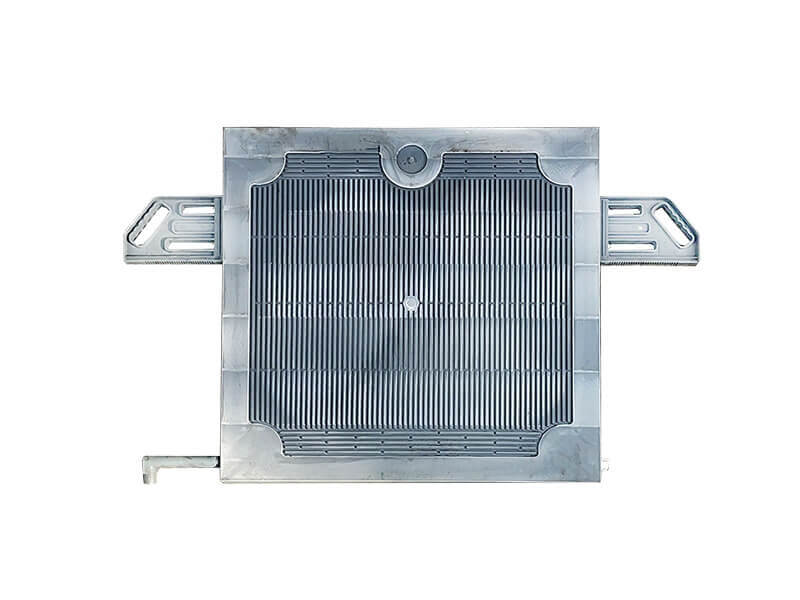
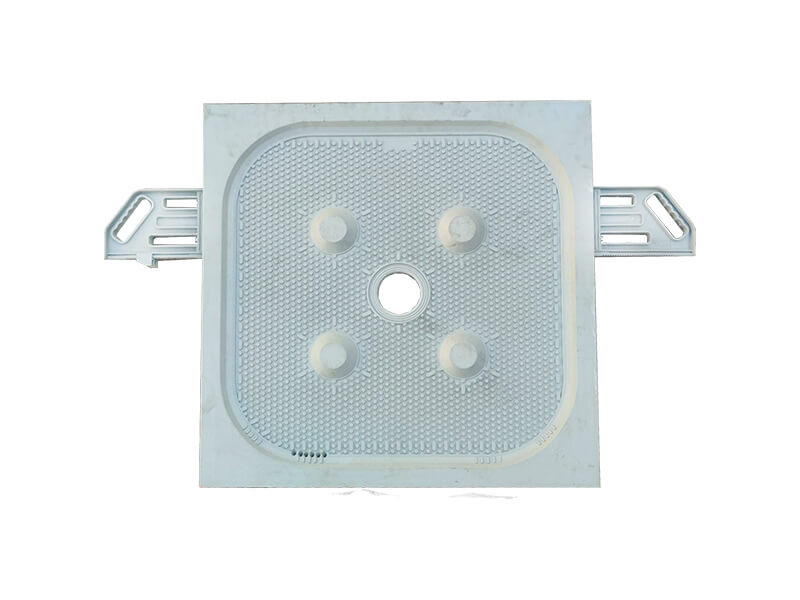
A filter press plate works together with the filter cloth to form the chambers where solid-liquid separation takes place. During filtration, solid particles collect on the cloth and form a filter cake, while the filtrate is discharged through the drainage channels on the plate surface.
Plate type, material and compatibility with the existing machine directly affect filtration performance, operating safety and service life. Selection should therefore consider not only the external dimensions but also operating pressure, process temperature, chemical properties of the product, cake thickness and filter cloth specifications.
Key Features of Filter Press Plates
Polypropylene (PP) is widely used for industrial filter press plates. PP filter press plates can resist many acidic and alkaline products; however, suitability must always be evaluated according to the chemical composition of the product and the process temperature.
The plates must be suitable for the filtration pressure and the closing force applied by the hydraulic system. Correct plate alignment, balanced compression and operation within the recommended pressure range help reduce the risk of leakage, bending, cracking and deformation.
Types of Filter Press Plates
Chamber (Recessed Chamber) Filter Press Plate
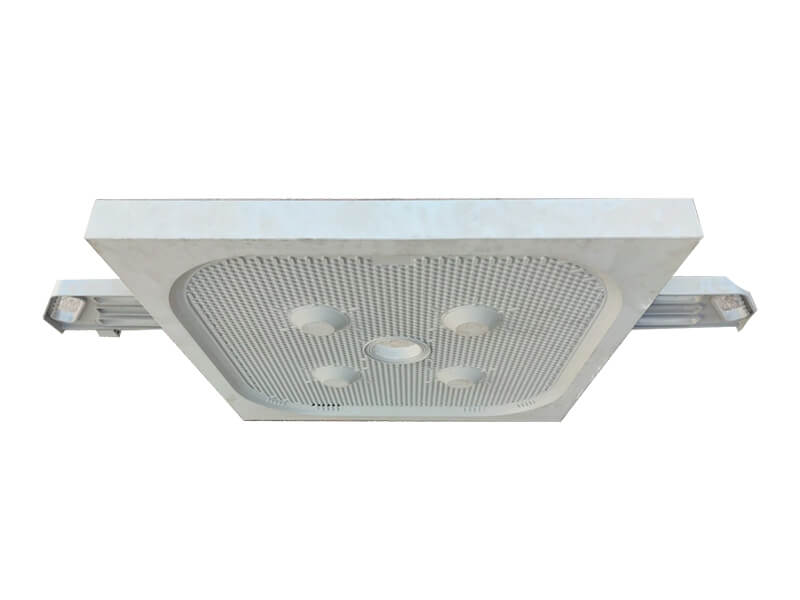
Chamber plates have recessed areas on both sides. When the plates are closed, the opposing recesses form the filtration chambers. Their fixed cake thickness, practical operation and broad range of applications make them one of the most widely used filter press plate types.
Plate and Frame (Solid and Hollow) Filter Press Plates
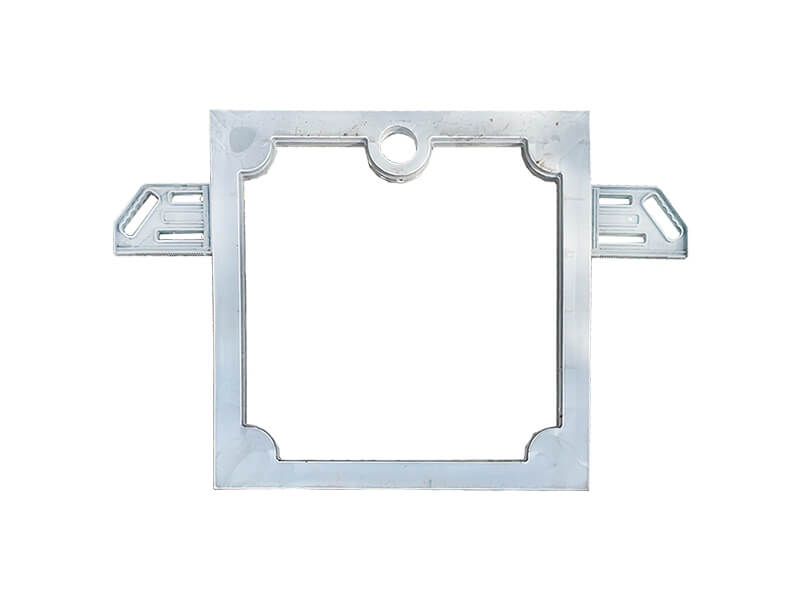
In plate and frame systems, plates and frames are arranged alternately. The filtration area and cake thickness are determined by the design of these components. This configuration is selected when it is compatible with the process requirements and the existing filter press.
How to Select a Filter Press Plate
The following technical details should be evaluated together when selecting a new or replacement filter press plate:
- External dimensions, plate thickness and handle dimensions
- Operating pressure and hydraulic closing force
- Position of the feed opening and filtrate outlets
- Drainage channels and cake depth
- Chemical properties of the product and process temperature
- Filter cloth attachment and compatibility with the existing machine
Matching only the length and width of the plate is not sufficient to confirm compatibility. An incorrectly selected plate may cause product leakage, poor filtration performance, deformation and increased maintenance costs.
Filter Press Plate Sizes
Depending on the capacity and technical design of the filter press, plates are available in standard sizes of 250x250 mm, 260x260 mm, 400x400 mm, 500x500 mm, 630x630 mm, 800x800 mm and 1000x1000 mm.
For a replacement plate, the feed and outlet openings, plate thickness, cake depth, handle design and cloth attachment details must be checked in addition to the external dimensions. Photographs and measurements of the existing plate help identify the correct standard option.
Filter Press Plate Applications
- Marble, natural stone, ceramics and clay processing
- Mining and mineral processing
- Industrial and municipal wastewater treatment
- Chemical, paint and metal finishing plants
- Recycling, paper, pulp, food and vegetable oil processes
Filter Press Plate Prices
Filter press plate prices vary according to plate size, type, thickness, drainage channel design, connection details and order quantity. Plates with the same external dimensions may have different technical specifications, so pricing based only on plate size may not provide an accurate result.
Akfen Engineering reviews the technical details of your existing filter press and process to help identify a suitable standard plate. Contact us for replacement filter press plate selection, technical information and an up-to-date quotation.
Filter press plates work together with filter press machines and filter press cloths. Visit the related product pages to review the other system components and their technical specifications.
|
PRODUCE PHOTOGRAPHY |
PRODUCE CODE |
EXPLANATION |
DIMENSIONS |
THICKNESS |
WEIGHT |
|
|
AK- FP01
|
SQUARE CHAMBER FILTREPRESS PLATE |
1000X1000 mm |
32.00 mm |
39 KG
|
|
|
AK- FP02
|
SQUARE CHAMBER FILTREPRESS PLATE |
800X800 mm |
32.00 mm |
22.5 KG
|
|
|
AK- FP03
|
MEMBRANE FILTERPRESS PLATE |
800X800 mm |
14.00 mm |
28 KG
|
|
|
AK- FP04
|
PRESSURIZATION PLATE |
800X800 mm
|
11.00 mm
|
28 KG
|
|
|
AK- FP05
|
CHAMBER ROUND |
800 mm
|
32.00 mm
|
16 KG
|
|
|
AK- FP06
|
EMPTY-FILLED SQUARE FILTREPRESS PLATE |
800X800 mm |
34.00 mm
|
12 KG
|
|
|
AK- FP07
|
EMPTY-FILLED SQUARE FILTREPRESS PLATE |
800X800 mm
|
- |
18 KG
|
|
|
AK- FP08
|
SQUARE CHAMBER FILTREPRESS PLATE |
630X630 mm
|
30.00 mm
|
12.5 KG
|
|
|
AK- FP09
|
SQUARE CHAMBER FILTREPRESS PLATE |
500X500 mm
|
26.00 mm
|
8.5 KG
|
|
|
AK- FP10
|
SQUARE CHAMBER FILTREPRESS PLATE |
400X400 mm
|
24.00 mm
|
4 KG
|
|
|
AK- FP11
|
SQUARE CHAMBER FILTREPRESS PLATE |
250X250 mm |
20.00 mm |
1.35 KG |


When selecting a filter press plate, not only the plate dimensions but also the plate type, operating pressure, cake depth, feed port configuration and compatibility with the existing filter press system should be considered. Choosing the right plate is important for filtration performance and efficient system operation.
Filter press plate prices vary depending on plate dimensions, plate type, technical specifications and order quantity. Evaluating the existing plate dimensions and technical requirements is important for determining the appropriate product and price.
The appropriate filter press plate can be identified by examining the existing plate dimensions, plate type or a sample plate. When necessary, the feed opening, outlet channels and connection details on the plate are also evaluated.
Chamber plates form the filtration chamber through their recessed design. In plate-and-frame systems, solid plates and hollow frames are used together. The appropriate plate type should be selected according to the process conditions.
The dimensions and attachment design of the filter press plate and filter cloth must be compatible. An unsuitable cloth may negatively affect filtration performance. The plate type, characteristics of the product being filtered and required filtration results should all be considered when selecting the right cloth.
Polypropylene (PP) is commonly used in filter press plates. This material is preferred because of its chemical resistance and long service life. Its suitability should be evaluated according to the characteristics of the product being filtered and the operating conditions.
A filter press plate should be inspected when cracks, deformation or sealing problems occur. Depending on the extent of the damage, replacing the plate may be necessary.
Yes. We provide technical support to help determine the appropriate plate type for your existing filter press system and select the right product. Plate dimensions, plate type and connection details are evaluated to help identify a suitable solution.