 English
 Türkçe
  العربية
  Русский
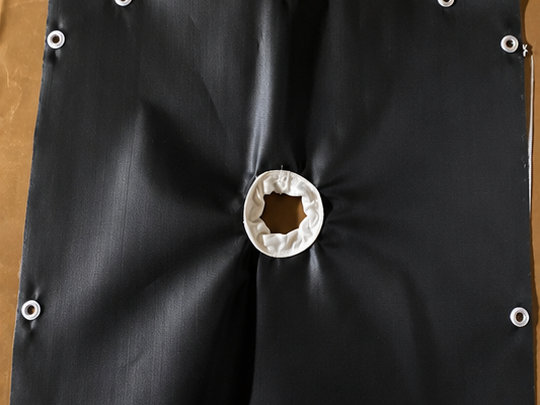
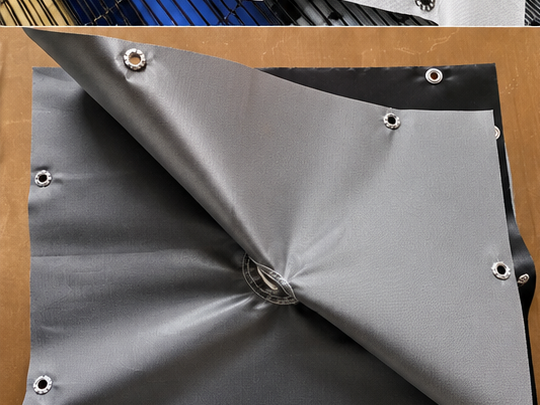
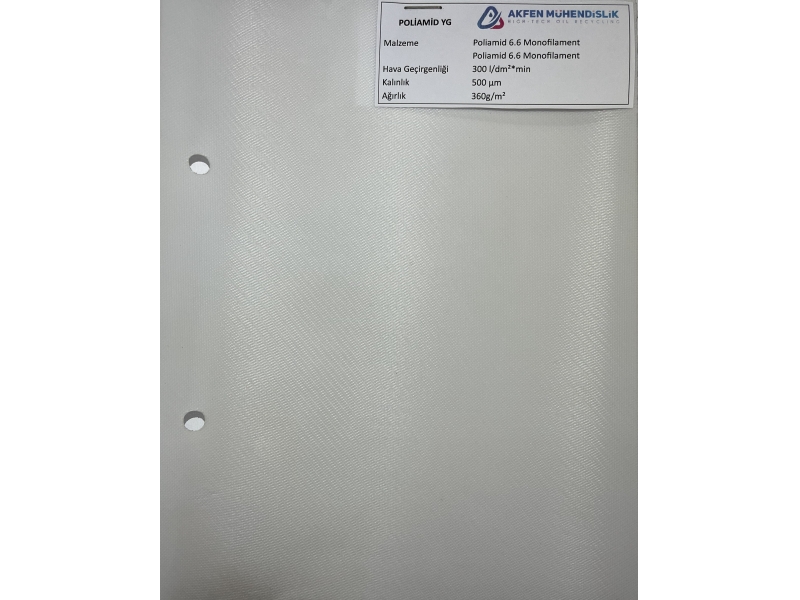
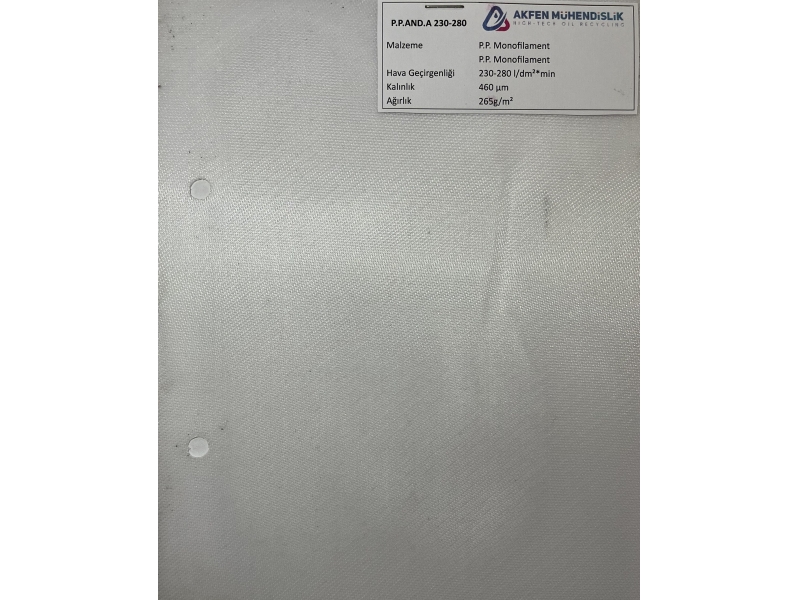
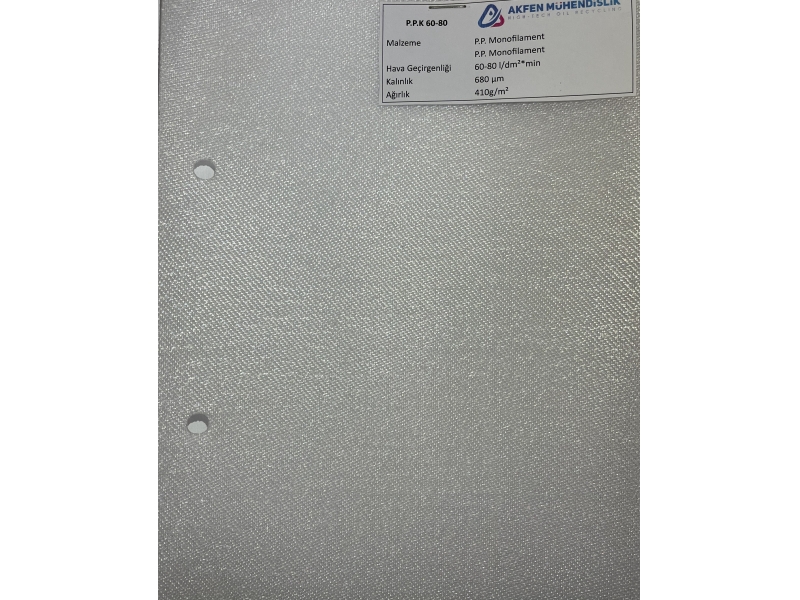
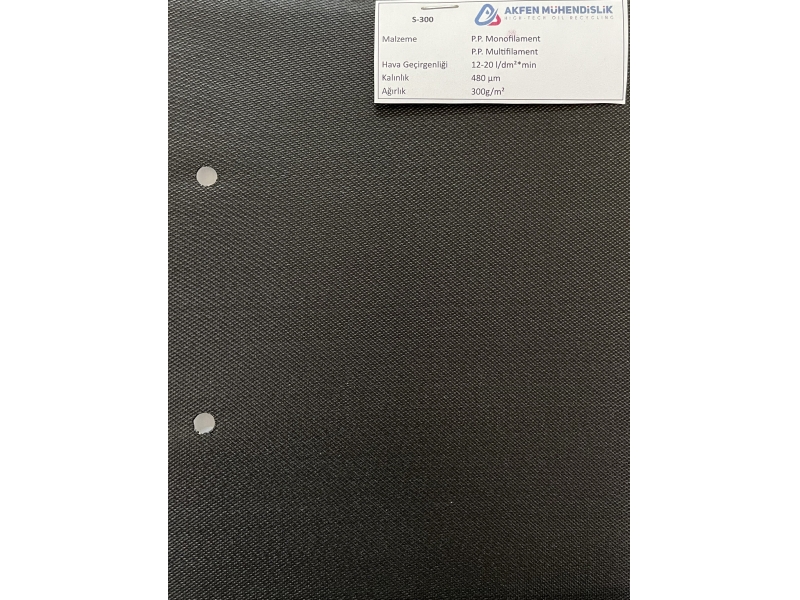
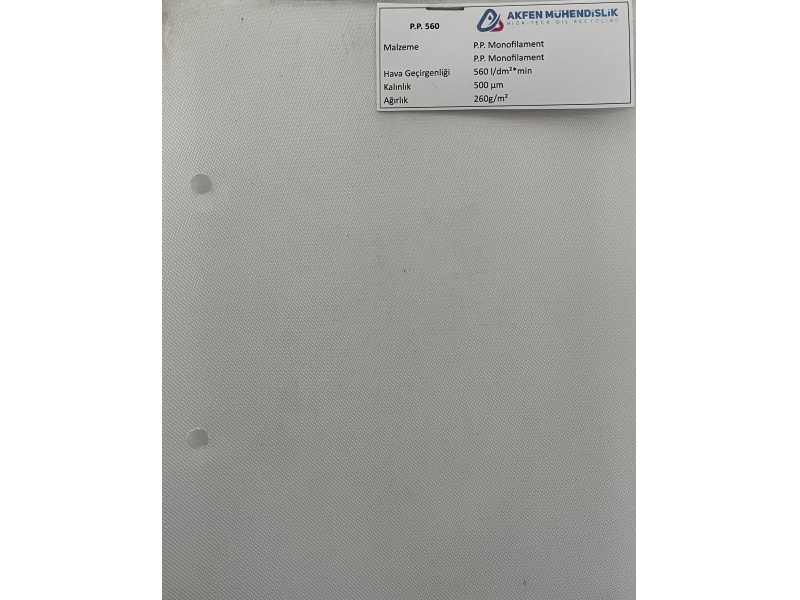
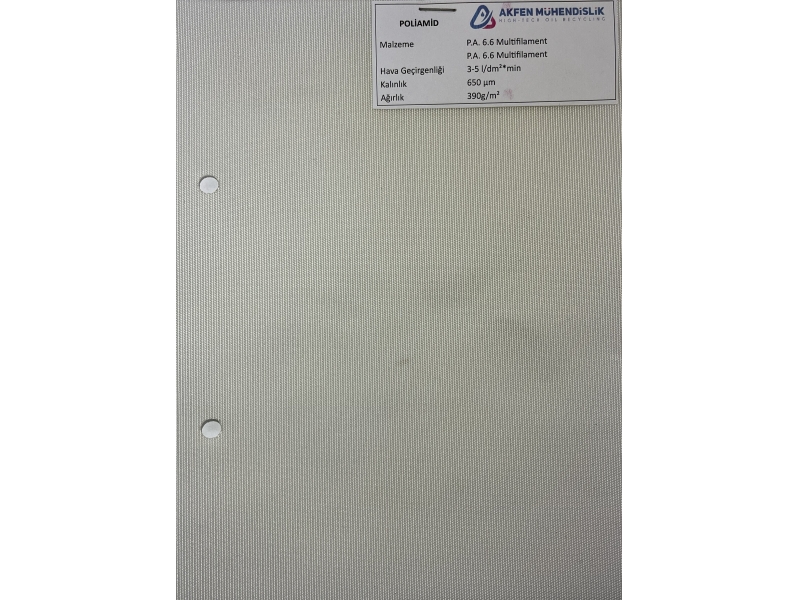
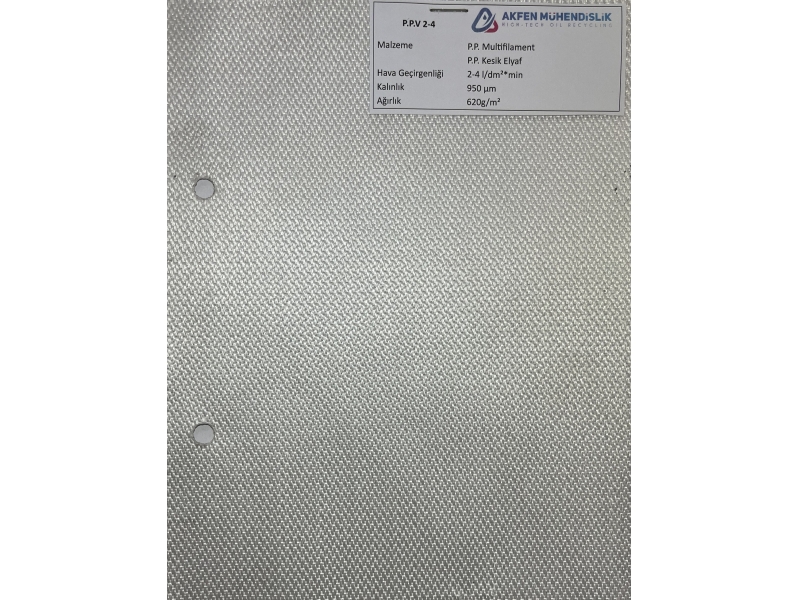
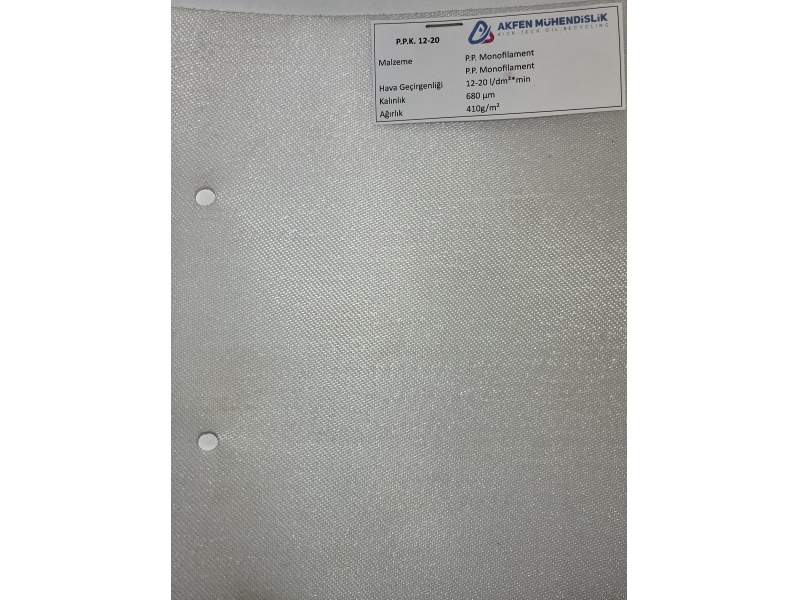
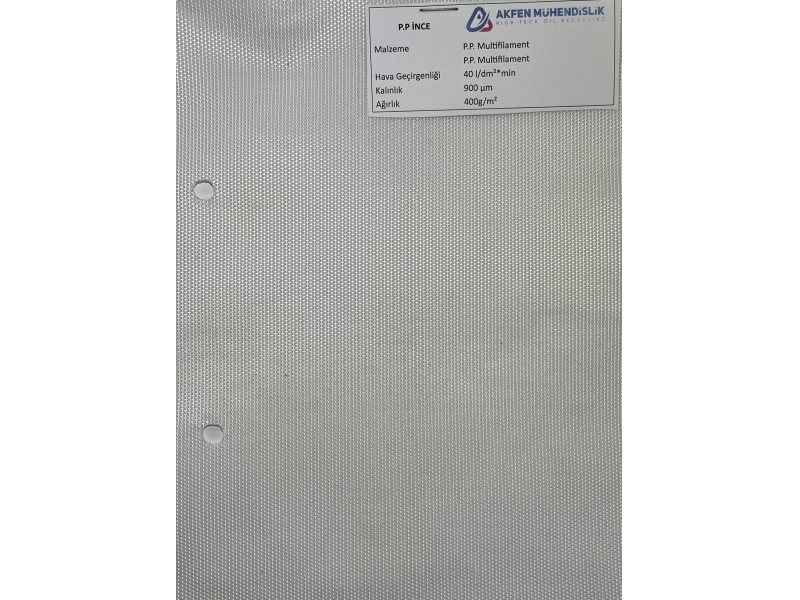
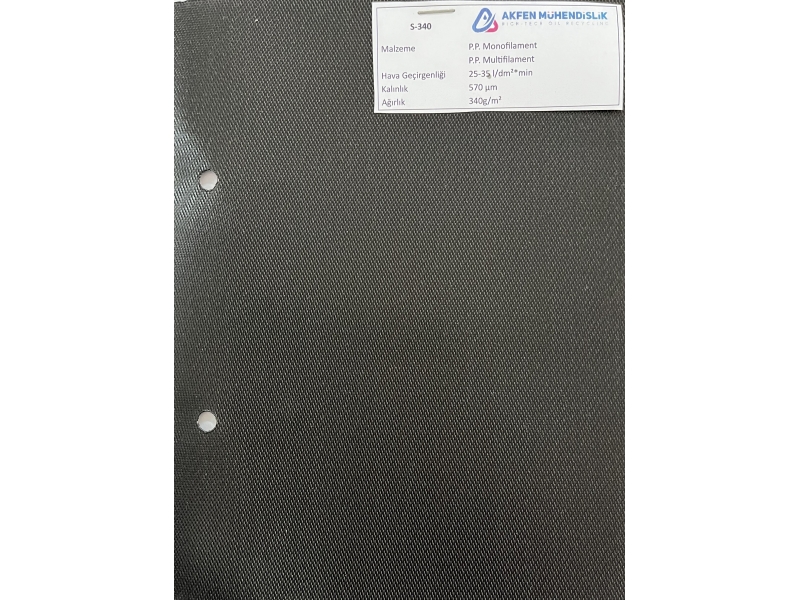
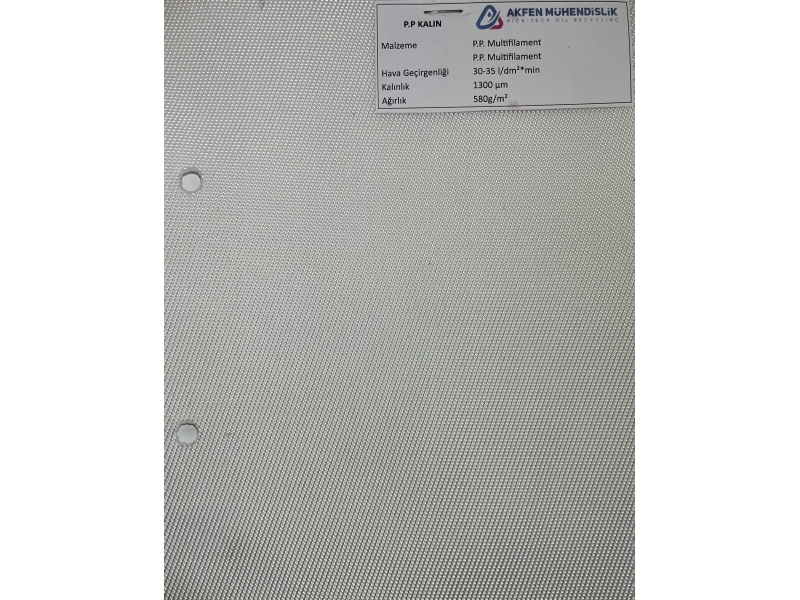
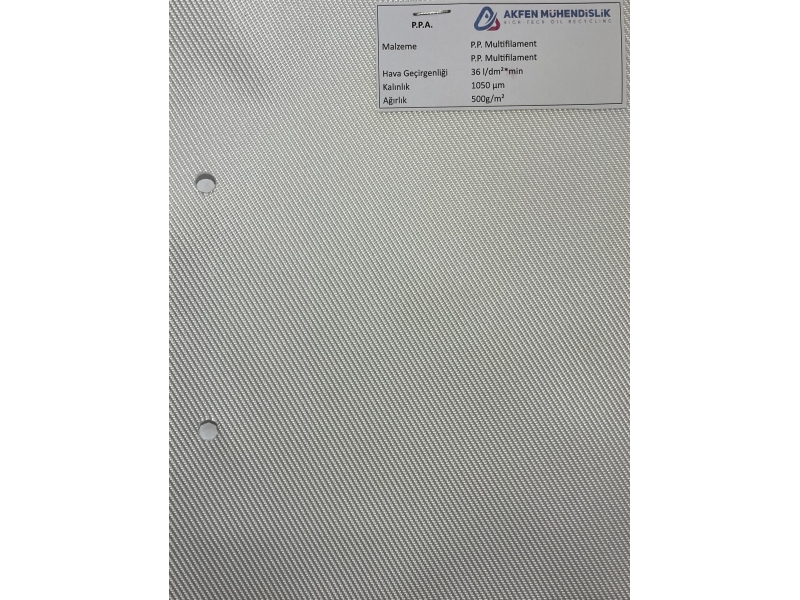
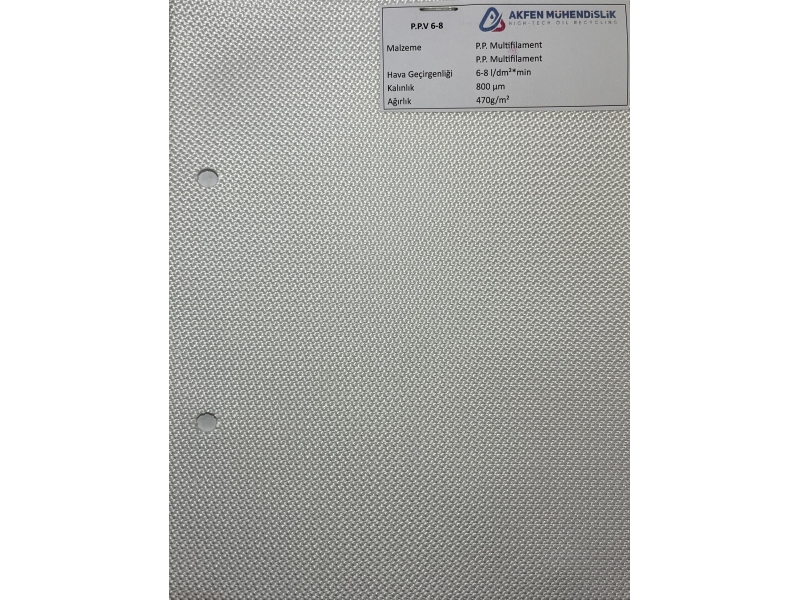
Filter Press Cloth
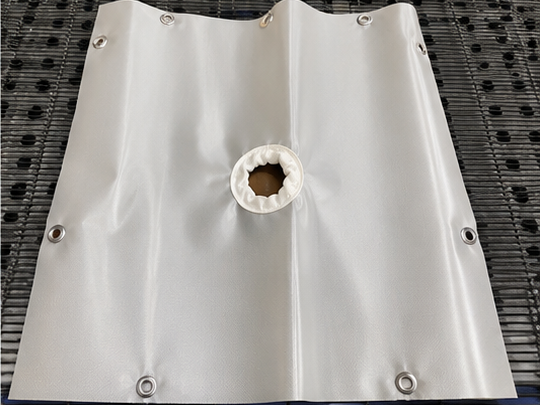
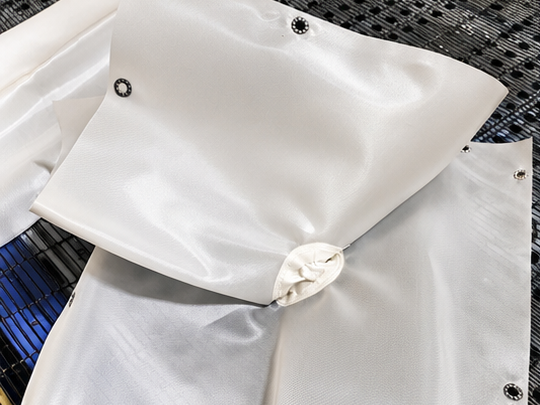
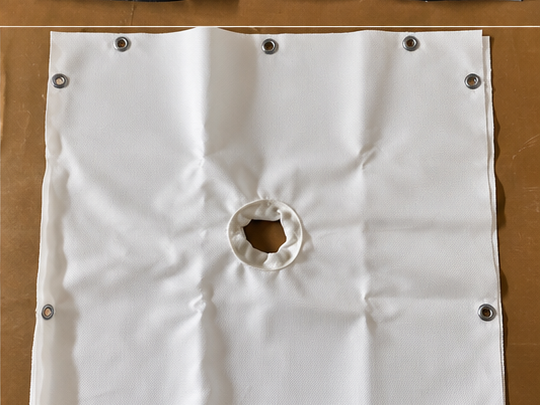
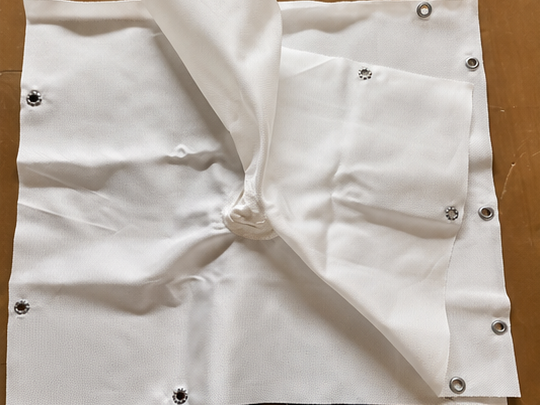
Filter press cloth is the primary filtration element used in filter press systems to separate solids from liquids. Installed on the filter plates, the cloth retains solid particles on its surface while allowing the liquid to pass through its pores and discharge. The retained solids gradually form a filter cake between the plates.
Selecting the right cloth directly affects filtrate clarity, filtration time, cake formation and the operating efficiency of the system. As particle structure, chemical composition and process conditions vary between applications, the same filter cloth is not suitable for every process.
How Does a Filter Press Cloth Work?
Slurry, sediment-containing liquid or pulp is pumped into the chambers between the plates. The filter press cloth retains the solids while allowing the liquid phase to flow into the drainage channels on the plates. Once filtration is complete, the plates are opened and the filter cake formed on the cloth surface is discharged.
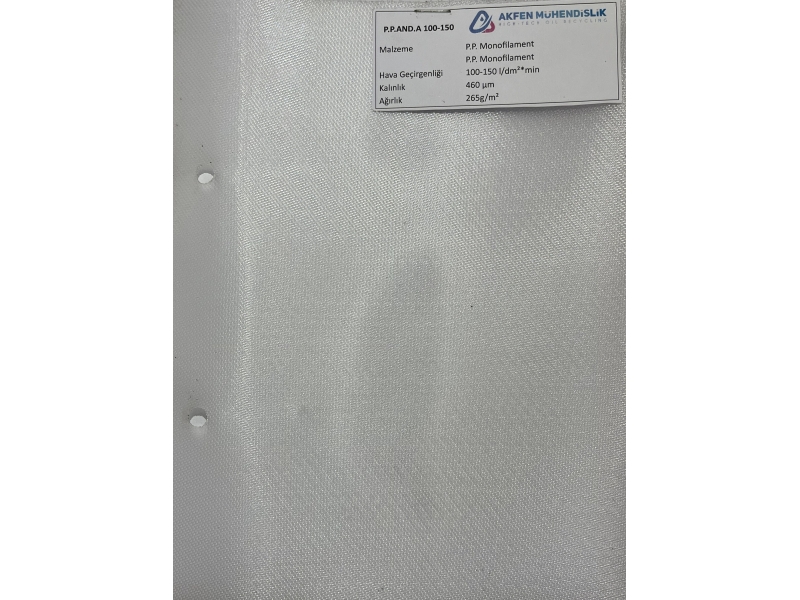
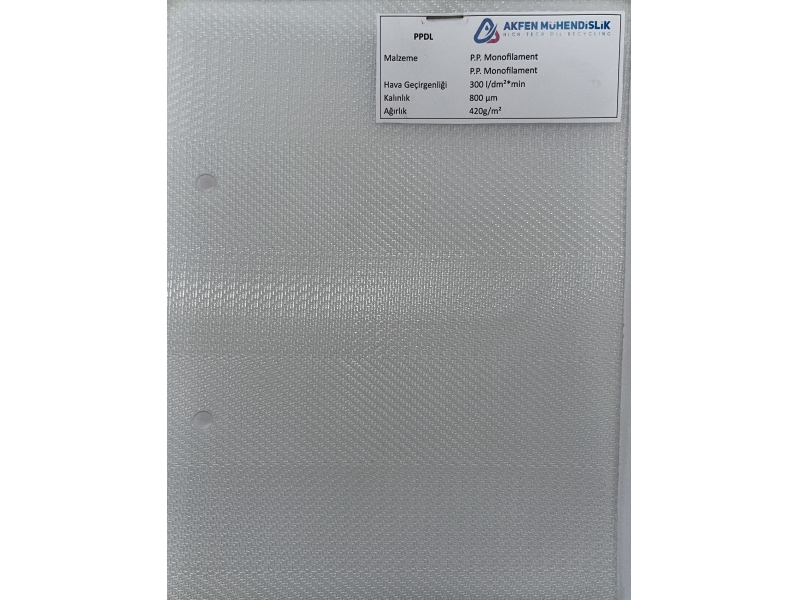
Cloth selection should not be based on micron rating alone. Weave structure, air permeability, thickness and fabric weight must also be considered. A cloth that is too permeable may fail to retain fine particles, while insufficient permeability can increase filtration time. The objective is to achieve the right balance between filtrate quality and cycle time for the process.
Types of Filter Press Cloth
Industrial filter fabrics are available in different materials, weave structures and technical specifications. The appropriate fabric is selected according to the chemical properties and temperature of the product, as well as the required filtration result.
Polypropylene Filter Press Cloth
Polypropylene (PP) cloths are widely used in filter press applications due to their low moisture absorption and suitability for many acidic and alkaline environments. They are available in various weave and permeability options.
Polyester Filter Press Cloth
Polyester (PET) cloths are used in filtration processes where mechanical strength and dimensional stability are important. Their chemical compatibility and operating temperature should be evaluated according to the process conditions.
Polyamide Filter Press Cloth
Polyamide (PA or nylon) cloths are preferred in certain applications for their flexibility and abrasion resistance. The chemical composition of the product and the process temperature must be considered before use.
What Should Be Considered When Selecting a Filter Press Cloth?
The following factors should be evaluated together when selecting the correct filter press cloth:
- Solids concentration and particle size
- Chemical composition and pH of the product
- Process temperature and operating conditions
- Fabric weave and permeability
- Thickness, fabric weight and required filtrate clarity
- Filter plate type and dimensions
- Feed opening, attachment points and stitching design
A different cloth may be required when the product processed in the same machine changes. For this reason, the product and process data should be reviewed instead of copying only the dimensions of the existing cloth.
Custom-Sized Filter Press Cloth Cutting and Sewing
Suitable filter fabrics are sourced from domestic or international suppliers, then cut and sewn to match the filter plate dimensions. The feed opening, handles, edges and attachment points are prepared so that the cloth is ready to be fitted to the filter plate.
In addition to standard sizes, cloths can be prepared from technical drawings for custom plate dimensions such as 1500x1500 mm. Providing an existing cloth sample or a filter plate drawing helps ensure that the measurements and attachment details are determined correctly.
Filter Press Cloth Applications
Filter press cloths are used in many industrial processes that require solid-liquid separation:
- Industrial and municipal wastewater treatment
- Marble, natural stone and mining plants
- Chemical, paint and metal finishing industries
- Ceramics, clay, paper and recycling plants
- Vegetable oil and food production
As the product characteristics and operating conditions differ across industries, the cloth material should be selected for the specific application.
Filter Press Cloth Prices
Filter press cloth prices vary according to fabric material, weave structure, air permeability, thickness, fabric weight, plate dimensions, cutting and sewing details, and order quantity. Two cloths with the same dimensions may have different prices if their fabric specifications or attachment designs differ.
Contact Akfen Engineering for standard or custom-sized filter press cloths, replacement filter press cloths, technical information and an up-to-date quotation.
For more information about related equipment, visit our Filter Press and Filter Press Plate pages.
When selecting filter press cloth, the solids content, particle size, chemical composition, pH value and operating temperature of the product to be filtered should be considered. The fabric weave, permeability, thickness and weight also affect filtration performance. The product characteristics, process conditions and required filtrate quality should be evaluated together to select the appropriate cloth.
No. In addition to the micron rating, the fabric weave, permeability, thickness and weight should also be considered when selecting filter press cloth. An unsuitable fabric may allow fine particles to pass into the filtrate or increase filtration time. Therefore, cloth selection should be based on the characteristics of the product being filtered and the required filtration result.
Different fabric materials are used in filter press applications, including polypropylene (PP), polyester (PET) and polyamide (PA/nylon). Polypropylene is preferred for its low moisture absorption and suitability for many chemical environments. Polyester is considered when mechanical strength and dimensional stability are important, while polyamide may be suitable for applications requiring flexibility and abrasion resistance. The appropriate material should be selected according to the product's chemical properties and operating conditions.
The dimensions and design of filter press cloth must be compatible with the size and type of the plate on which it will be installed. The feed opening, edges, attachment points and stitching design must also be specified correctly. For more information about plate types and specifications, visit our filter press plate page.
Yes. Filter press cloth can be prepared in custom sizes based on an existing cloth sample or the technical drawing of the filter plate. Plate dimensions, the feed opening, edges and attachment points are considered during cutting and sewing. Providing an existing cloth sample or a technical drawing helps ensure accurate measurements and fitting details.
Filter press cloth prices depend on the fabric material, weave structure, permeability, thickness, weight, plate dimensions, cutting and sewing details, and order quantity. Two cloths with the same dimensions may have different prices if their fabric specifications or attachment designs differ. The technical requirements and dimensions should be established to prepare an appropriate quotation.
The same filter press cloth may not be suitable for every product. Different fabric properties may be required when particle size, solids content, chemical composition or temperature changes. The appropriate cloth should be selected according to the product characteristics and required filtration result. For more information about filter press systems and operating options, visit our filter press page.
The cleaning method and replacement timing of filter press cloth depend on the fabric material, the characteristics of the filtered product and the degree of fouling. The cleaning procedure should be appropriate for the fabric structure and process conditions. The cloth should be inspected if persistent clogging, tearing, deformation or a noticeable decline in filtration performance occurs. Replacement may be necessary if cleaning does not restore performance or the cloth is damaged.